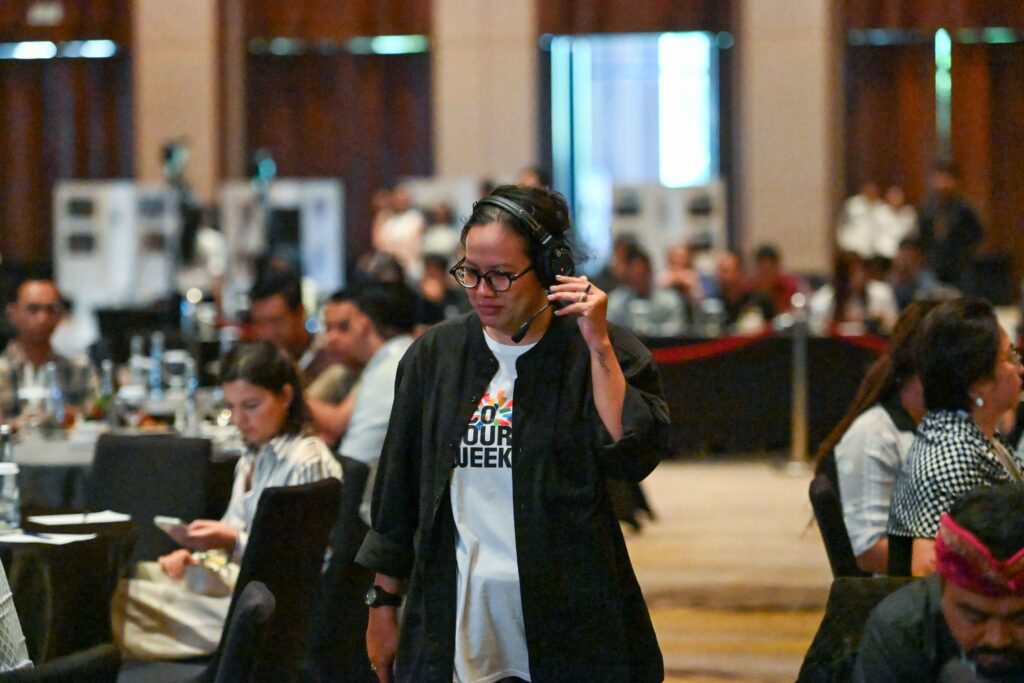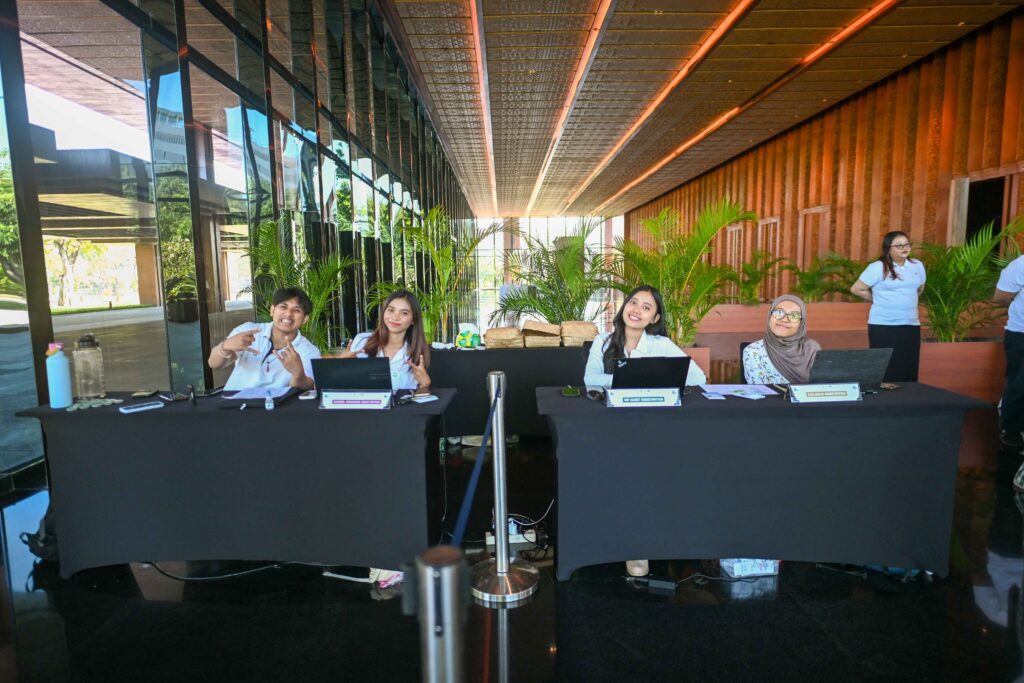

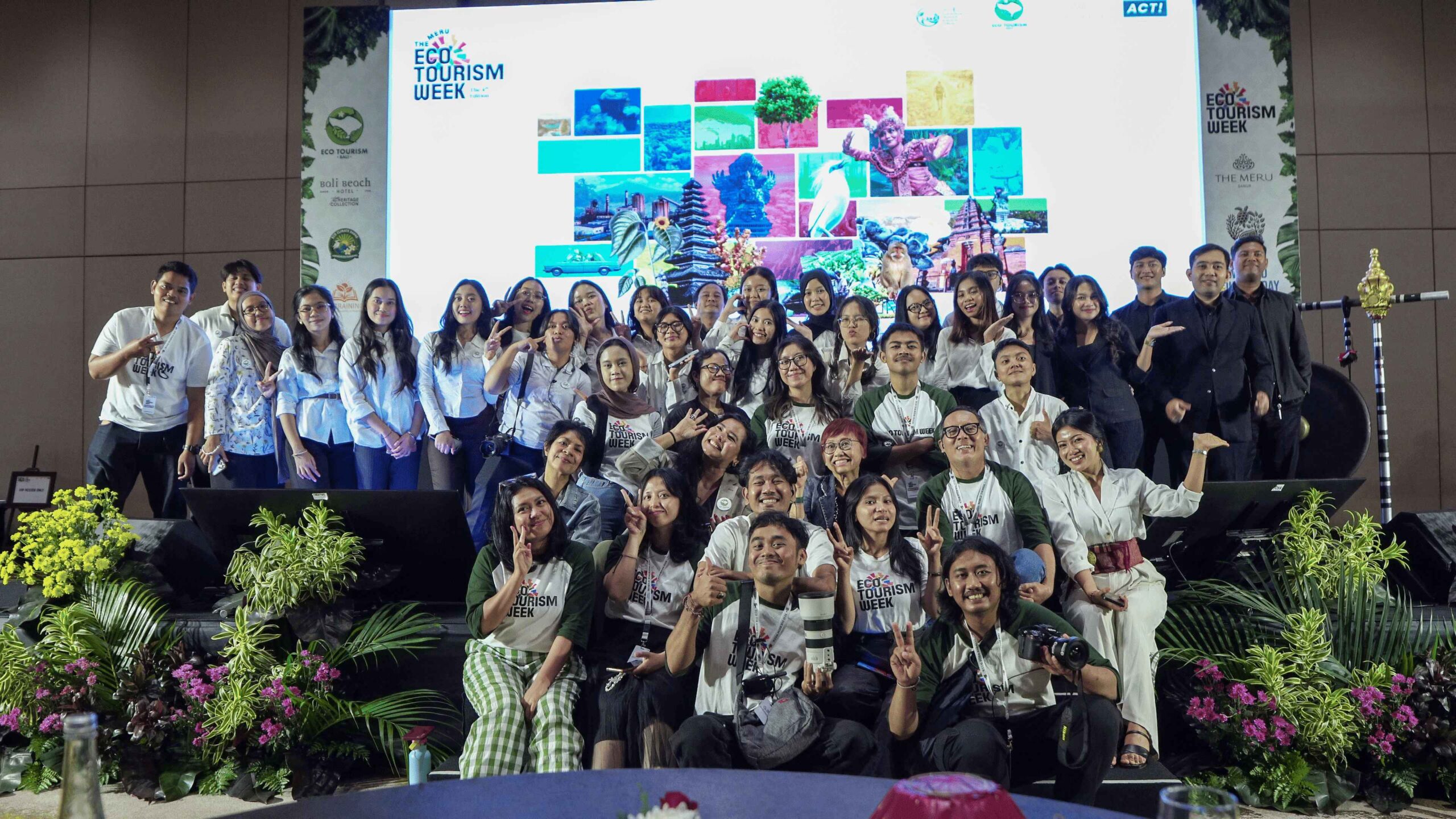
The Meru Eco Tourism Week 4th Edition, held on May 30–31, 2026, at the Bali Beach Convention Center in Sanur, has officially come to a close. Organized by Eco Tourism Bali in collaboration with The Meru Sanur, ACT! Project, and the Wonderful Indonesia Sustainable Tourism Industry Forum (WI-STIF), the event brought together people from across the tourism sector who share a common goal: creating a more sustainable future for Bali.
Taking place around the International Day for Biological Diversity, this year’s event highlighted a growing movement within the tourism industry one that recognizes the importance of protecting nature, supporting local communities, and building businesses that create long-term positive impact.
During the opening ceremony, Indonesia’s Minister of Tourism, Widiyanti Putri Wardhana, emphasized that sustainability is no longer just a nice-to-have. Today, strong Environmental, Social, and Governance (ESG) practices are increasingly becoming a key factor in attracting investment and strengthening business resilience.
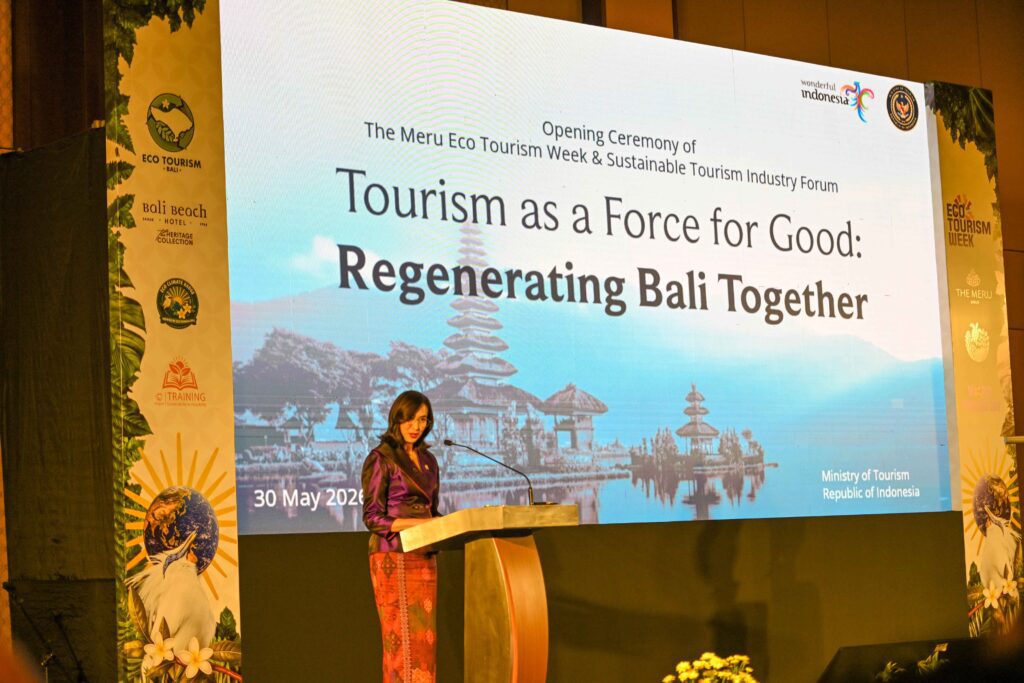
“We hope to see more tourism businesses embrace ESG principles and view sustainability as a long-term strategic investment,” said Minister Widiyanti Putri Wardhana.
Over the course of two days, The Meru Eco Tourism Week 4th Edition brought together a diverse community of stakeholders and achieved the following milestones:
• 988 attendees
• 20 speakers, including government representatives, international experts, industry leaders, and sustainability best-practice representatives from hotels and restaurants
• 6 panel discussions, presentations, and fireside chats
• 51 exhibitors showcasing sustainable solutions
• 43 Eco Climate Badge Award recipients
• 10 Eco Business Pitch finalists, with awards presented to:
- Most Impactful: Pristinz
- Most Innovative: Shiva Industries
- Most Favorite: Noovoleum
Beyond convening stakeholders, The Meru Eco Tourism Week 4th Edition also demonstrated that large-scale national events can be organized while minimizing environmental impact.
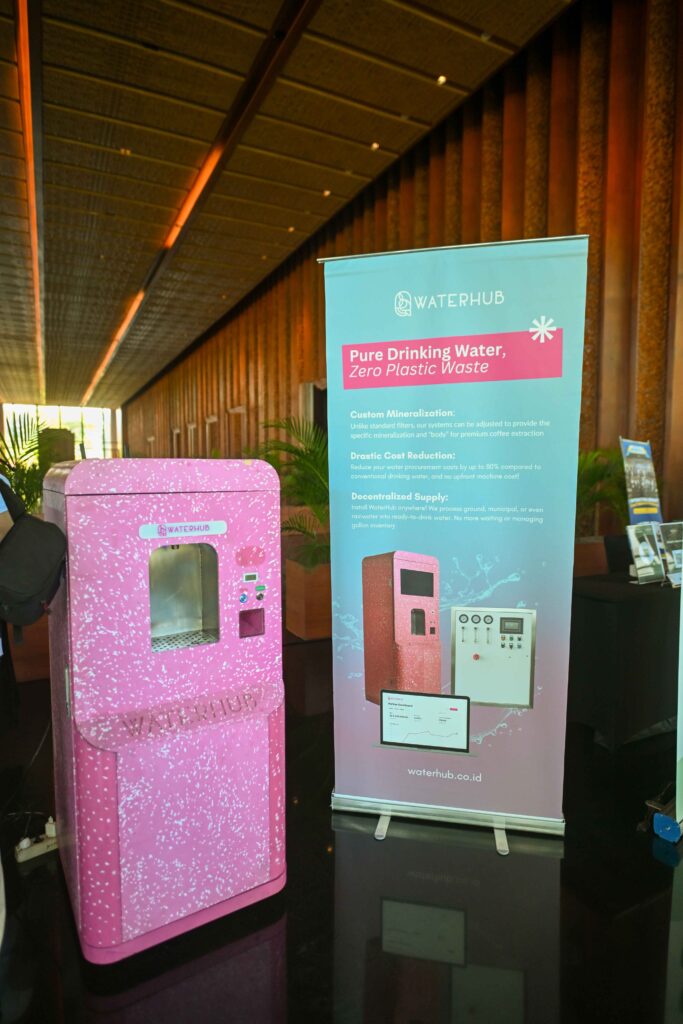
Water Conservation and Single-Use Plastic Reduction
As part of its commitment to reducing environmental impact, The Meru Eco Tourism Week 4th Edition partnered with WaterHub to provide drinking water refill stations throughout the event. This initiative encouraged participants to use reusable water bottles and reduce dependence on single-use plastic bottles.
Over the two-day event, a total of 82.5 liters of drinking water were provided, equivalent to avoiding the use of 165 single-use plastic bottles and reducing carbon emissions by approximately 13.66 kg CO₂e.
Turning Waste into Resources
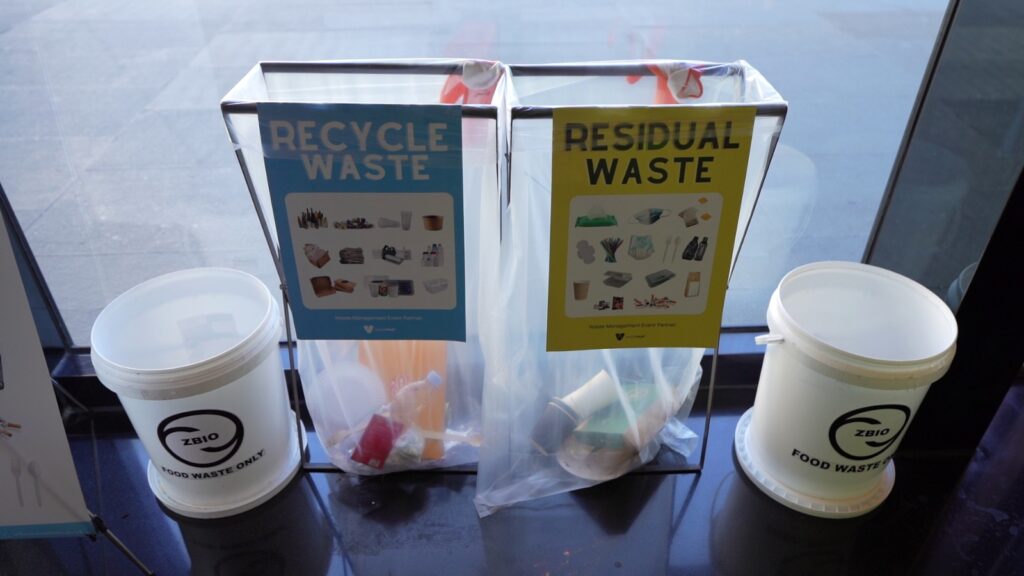
Waste management was a key focus throughout the event. A total of 175.97 kg of waste was generated, consisting of 167 kg of organic waste, 4.45 kg of recyclable materials, and 4.52 kg of residual waste.
Through proper waste management practices, organic waste was diverted from landfill and processed into valuable resources by Z Bio. This effort successfully avoided approximately 351 kg CO₂e in emissions. In addition, the organic waste generated 23 kg of Black Soldier Fly (BSF) larvae for animal feed and 17 kg of organic fertilizer to support local agriculture.
Meanwhile, 4.45 kg of recyclable waste was successfully recovered and managed in partnership with Bali Waste Cycle.
Understanding the Event’s Carbon Footprint
In collaboration with Wise Steps Consulting, The Meru Eco Tourism Week 4th Edition conducted a comprehensive carbon footprint assessment covering transportation, energy consumption, and accommodation.
The assessment revealed that the two-day event generated a total of 106.70 tCO₂e, equivalent to approximately 0.177 tCO₂e per attendee.
Participant transportation accounted for the largest share of emissions at 104 tCO₂e. Electricity consumption contributed 0.95 tCO₂e, organizing committee accommodation generated 0.75 tCO₂e, and non-electric energy use (diesel fuel) accounted for 0.34 tCO₂e.
These emissions are equivalent to the carbon sequestration potential of approximately 4,420 mangrove trees through long-term restoration efforts using Rhizophora mangrove species.
Choosing More Sustainable Materials
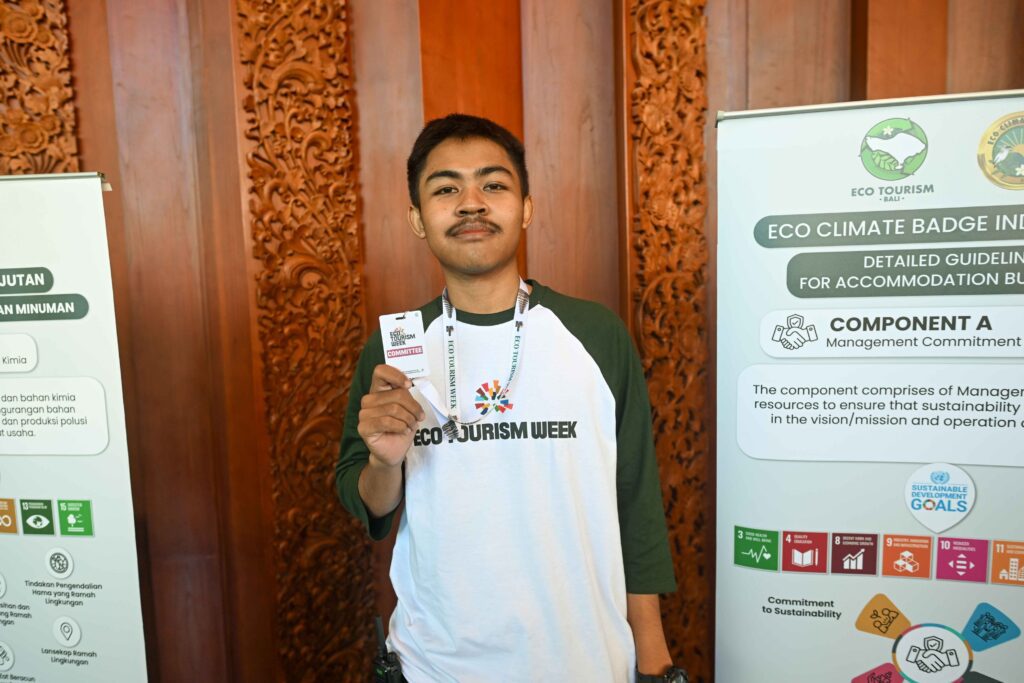
The event’s sustainability commitment was also reflected in its choice of materials. Instead of using single-use paper wristbands, The Meru Eco Tourism Week 4th Edition adopted reusable lanyards and a stamp-based identification system for attendees.
This approach helped reduce single-use waste while enabling materials to be reused at future events. Of the more than 850 participants in attendance, 85% of the lanyards were successfully returned after the event. This high return rate demonstrates strong participant engagement and awareness in supporting more environmentally responsible event practices.
Eco Tourism Bali extends its sincere appreciation to all partners, speakers, exhibitors, participants, sponsors, and supporters who contributed to the success of The Meru Eco Tourism Week 4th Edition.
As the organizer, Eco Tourism Bali hopes that the spirit of sustainability, regeneration, and collaboration will continue to inspire collective action toward a more responsible and resilient future for tourism in Bali and beyond.
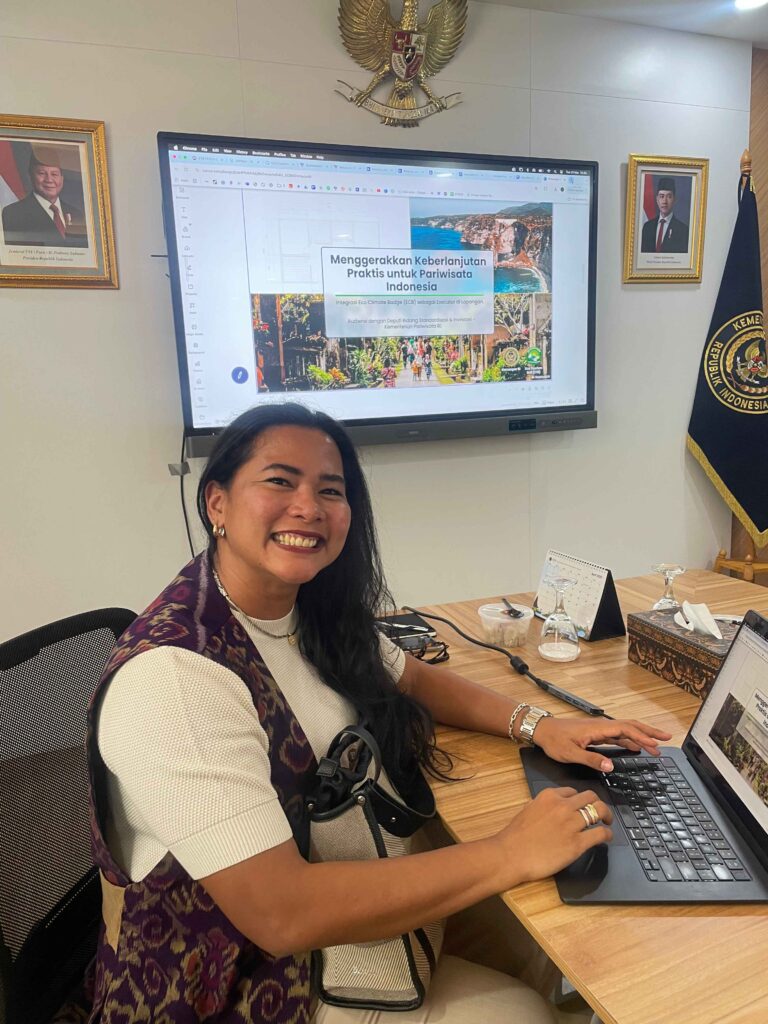
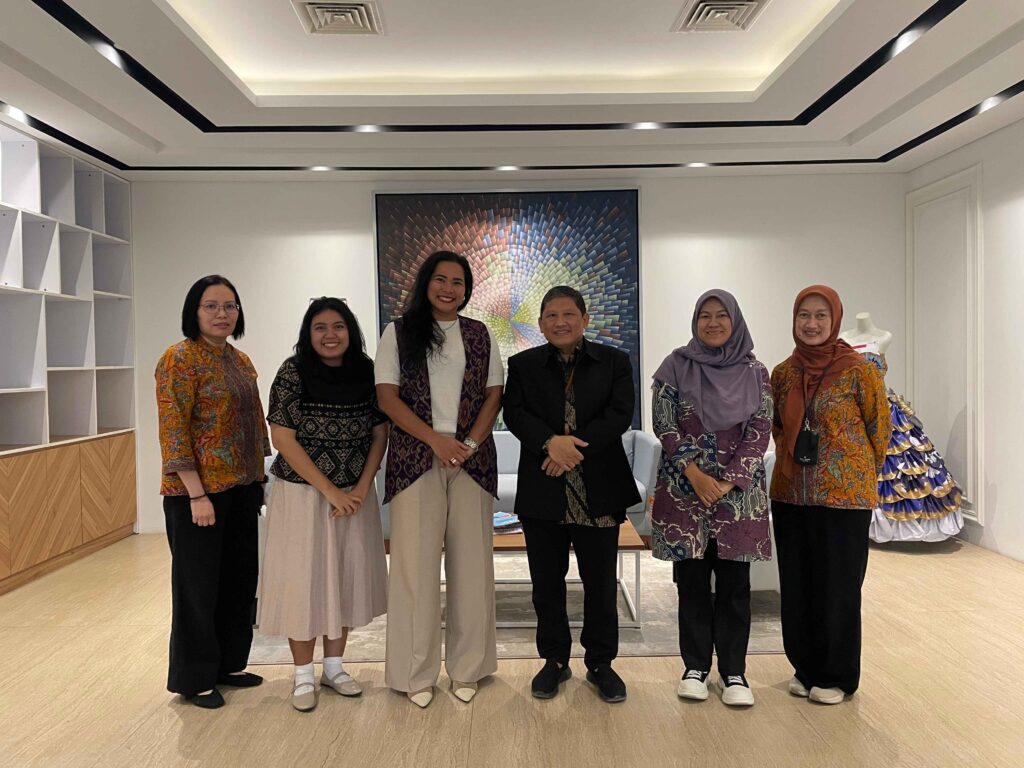
Bonus: Meet the people behind The Meru Eco Tourism Week 4th Edition.