

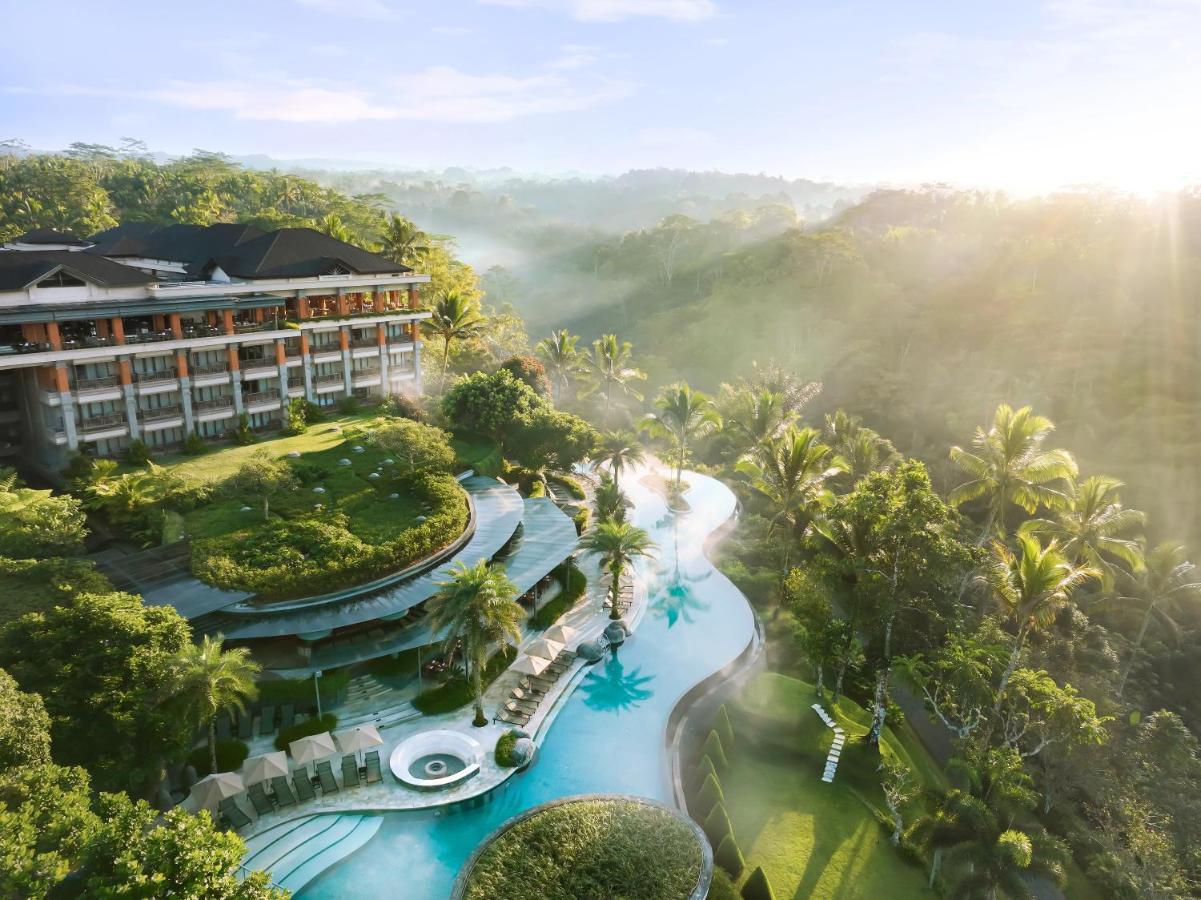
A growing shift in Bali’s accommodation landscape is opening new pathways for sustainable and community-based tourism. Across the island, small-scale accommodations such as villas, homestays, and guesthouses are emerging as meaningful alternatives to conventional hotel development.
These properties, often family-run and designed with local character, are gaining legal recognition under Indonesia’s OSS-RBA framework (Online Single Submission – Risk-Based Approach), introduced in 2021. The regulation allows operators of non-hotel accommodations to obtain licenses more easily, without going through the traditional hotel classification system.
According to a 2025 PT Hotel Investasi Strategis report, OSS-RBA accommodations are now the fastest-growing segment in Bali’s tourism market. In regions such as Bangli, Karangasem, and Tabanan, non-hotel room supply increased by over 30% in 2024 alone, outpacing the growth of star-rated hotels.
These accommodations vary in style, from eco-villas in agricultural zones to homestays in village compounds. What they share is a focus on flexibility, privacy, and connection to local life.
Post-pandemic travelers are increasingly seeking quieter, more intentional experiences. Many now prefer staying in spaces that support local communities, use natural materials, and reflect the rhythms of Balinese culture. This trend supports a broader shift toward regenerative tourism, where the goal is to reduce harm and contribute positively to the place.
The report notes that many OSS-RBA accommodations have shown stronger recovery rates and higher guest satisfaction than conventional hotels. Their ability to adapt quickly to visitor needs, along with their lighter environmental footprints, positions them well in Bali’s evolving tourism landscape.
However, challenges remain. In high-growth areas like Canggu and Uluwatu, unregulated villa development has raised concerns about land use, infrastructure pressure, and the loss of agricultural space. Without clear zoning policies or environmental safeguards, rapid expansion may repeat past development issues.
At EcoTourism Bali, we view the OSS-RBA model as a valuable opportunity if it is guided by environmental stewardship, cultural respect, and equitable benefit for local communities.
Bali’s growing network of small-scale accommodations has the potential to support a more resilient and inclusive tourism future through thoughtful design, community engagement, and alignment with local values.
As Bali navigates the pressures of climate change and mass tourism, the question is no longer just where you stay, but how your choice of accommodation can support the island’s people, places, and ecosystems.
Written by: McKenzie Smith
Source: Redefining Bali’s Accommodation Market: Structural Shifts in Hotel Performance and Their Implications for Investors, Developers, and Policymakers (1996–2025) by Ross Woods, Founder & CEO, Hotel Investment Strategies, LLC